 Verica Gavrillovic
From cargo carriers and bike racks to towing equipment, these add-ons expand a vehicle’s functionality. However, many drivers wonder whether installing hitch-mounted gear can change how their vehicle drives or how much fuel it uses.
The answer is yes—trailer hitch accessories can affect both fuel efficiency and handling, depending on their type, size, weight, and how they are used.
Trailer hitch accessories are widely used for towing, hauling, and carrying recreational gear.
Understanding these effects helps drivers make informed decisions, improve safety, and minimize unwanted trade-offs.
How Trailer Hitch Accessories Influence Fuel Efficiency
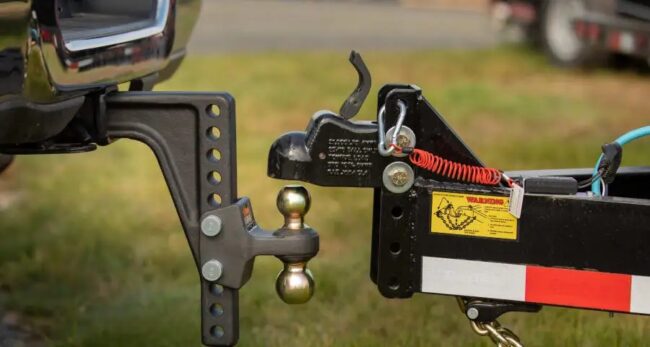
Fuel efficiency is largely affected by three factors: weight, aerodynamics, and rolling resistance. Trailer hitch accessories can influence all three.
Added Weight and Fuel Consumption
Any additional weight forces the engine to work harder, especially during acceleration and climbing.
Hitch-mounted accessories add weight at the rear of the vehicle, and when they are loaded with gear, the impact becomes more noticeable.
Heavier loads typically result in:
- Increased fuel use during stop-and-go driving
- Reduced efficiency on hills and inclines
- Greater strain on the engine and transmission
While a lightweight bike rack may have a minimal effect, a fully loaded cargo carrier or trailer can significantly increase fuel consumption.
Aerodynamic Drag
Aerodynamics play a major role at highway speeds. Hitch-mounted accessories sit behind the vehicle, where airflow is already turbulent.
Large or boxy accessories can disrupt airflow further, increasing drag.
Common aerodynamic impacts include:
- Reduced highway fuel economy
- Increased wind resistance at higher speeds
- More noticeable effects during long-distance travel
Enclosed cargo carriers and wide accessories tend to have a greater impact than slim or low-profile designs.
Towing vs. Carrying
Towing a trailer generally has a larger effect on fuel efficiency than carrying gear on a hitch-mounted platform.
Trailers add rolling resistance through additional wheels and tires, as well as significant aerodynamic drag.
In contrast, hitch-mounted carriers and racks usually cause:
- Moderate fuel economy reductions
- Less impact than roof-mounted cargo
- Variable effects depending on load size
For drivers trying to balance fuel efficiency with cargo capacity, hitch-mounted solutions are often more efficient than roof-mounted alternatives.
Effects on Vehicle Handling
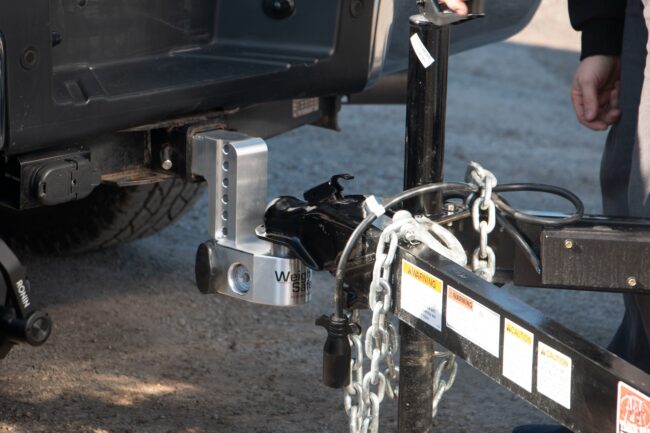
Handling refers to how a vehicle responds to steering, braking, and road conditions.
Trailer hitch accessories can influence handling in several ways, especially when they add weight behind the rear axle.
Changes in Weight Distribution
Most hitch accessories place weight at the very rear of the vehicle. This shifts the center of gravity backward, which can affect:
- Steering responsiveness
- Rear suspension compression
- Front axle traction
When rear weight increases significantly, the front wheels may have less grip, especially during sharp turns or emergency maneuvers.
Braking Performance
Additional weight means longer stopping distances. When using trailer hitch accessories—particularly when towing—braking performance can change noticeably.
Potential braking effects include:
- Increased stopping distance
- Greater brake wear
- Reduced stability during sudden stops
For heavier loads or trailers, trailer brakes and proper brake controllers become essential for safe handling.
Cornering and Stability
Hitch-mounted accessories that extend far from the vehicle can create leverage, magnifying movement over bumps or uneven roads.
This can lead to:
- Increased sway
- Reduced stability during cornering
- More pronounced body roll
Accessories that are tightly secured and well-balanced minimize these effects, while loose or overloaded setups make handling worse.
Road Conditions and Driving Style Matter
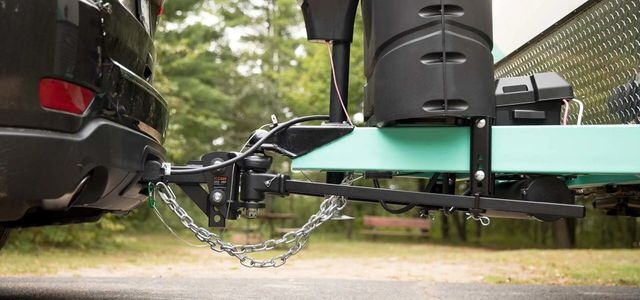
The impact of trailer hitch accessories is not the same in every driving situation, and road conditions play a bigger role than many drivers expect.
- In city driving, frequent stops and starts make added rear weight more noticeable. Acceleration becomes slower, braking distances increase, and the vehicle may feel less responsive, especially in tight traffic or during sudden maneuvers.
- On highways, aerodynamic drag becomes the dominant factor. At steady speeds, especially above 90 km/h, hitch-mounted cargo carriers or trailers can noticeably increase fuel consumption as airflow disruption builds behind the vehicle. Crosswinds can also amplify this effect, sometimes leading to slight steering corrections or reduced stability.
- Rough or uneven roads introduce another set of challenges. Extra weight behind the rear axle puts additional stress on the suspension and shocks, which can reduce ride comfort and make bumps feel harsher. Over time, this added load can also accelerate wear on suspension components.
Driving style also plays a role. Smooth acceleration, moderate speeds, and gradual braking can help offset some negative effects.
Comparing Hitch Accessories to Other Carrying Options
When evaluating fuel efficiency and handling, it helps to compare hitch-mounted options with alternatives.
Hitch-Mounted vs. Roof-Mounted
Roof-mounted cargo typically:
- Increases aerodynamic drag more significantly
- Raises the vehicle’s center of gravity
- Affects handling during crosswinds
Hitch-mounted accessories usually:
- Keep weight lower
- Have less impact on handling
- Cause smaller fuel economy losses than roof cargo
Hitch-Mounted vs. Interior Cargo
Interior cargo has the least aerodynamic impact but may:
- Reduce passenger comfort
- Limit visibility
- Concentrate weight unevenly
Hitch-mounted accessories offer a balance between space, convenience, and manageable performance changes.
Minimizing Negative Effects
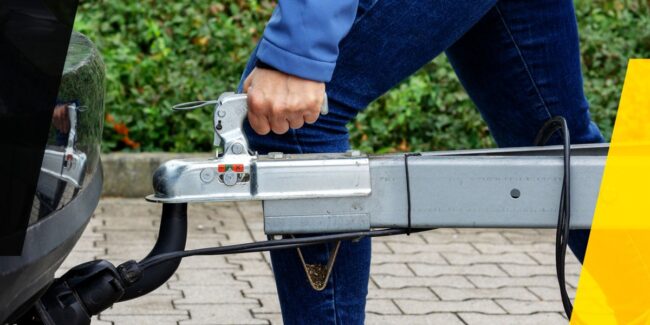
Drivers can take steps to reduce the impact of trailer hitch accessories on fuel efficiency and handling.
Best practices include:
- Staying within weight ratings
- Removing accessories when not in use
- Securing loads tightly to prevent movement
- Choosing compact, low-profile designs
- Maintaining proper tire pressure
Small adjustments can make a noticeable difference, especially over long trips.
When Effects Become More Serious
The effects of trailer hitch accessories become more pronounced as loads approach a vehicle’s maximum rated capacity.
Heavier setups place greater strain on the engine, suspension, and braking system, making changes in handling and fuel consumption more noticeable.
Using long extensions or hitch adapters can further amplify these effects by increasing leverage at the rear of the vehicle, which may reduce stability and exaggerate movement over bumps or during cornering.
Keeping hitch accessories installed full time can also contribute to ongoing fuel efficiency losses and gradual wear, even when the vehicle is not carrying cargo.
Vehicles with shorter wheelbases are particularly sensitive to rear-mounted weight, as small shifts in balance can have a larger impact on steering response and overall control.
In these situations, drivers should exercise additional caution and consider whether a different carrying setup or lighter accessory would better match their driving needs and vehicle design.
Conclusion
Trailer hitch accessories can affect fuel efficiency and handling, but the degree varies widely based on the type of accessory, how much weight it carries, and how it is used.
Lightweight racks may have minimal impact, while heavy cargo carriers or trailers can significantly change driving dynamics and fuel consumption.
By understanding these effects and using hitch accessories responsibly, drivers can enjoy added utility without compromising safety or efficiency.
Thoughtful selection, proper loading, and attentive driving ensure that the benefits of trailer hitch accessories outweigh the drawbacks—keeping every trip both practical and comfortable.