
 Miljan Radovanovic
Shopping for a vehicle can feel confusing when two dealerships are selling similar models with completely different price tags.
Many buyers assume smaller lots should be cheaper because they have lower overhead or a more personal setup.
In reality, high volume dealerships often have more flexibility to reduce prices, run promotions, and negotiate better deals.
Once you look at how inventory financing, manufacturer incentives, and dealership operations work, the pricing gap starts making sense.
A large dealership simply operates on a different scale, and that changes almost every part of the buying process.
Bigger Inventory Creates More Pricing Flexibility
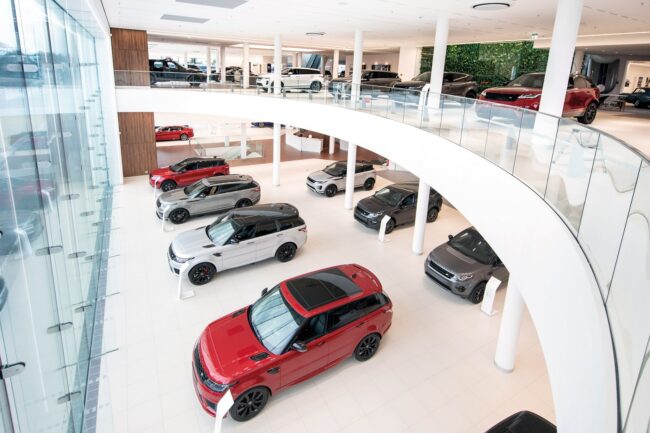
One of the biggest advantages large dealerships have is inventory size. High-volume dealers move vehicles faster, which gives them stronger relationships with manufacturers and lenders. That creates room for discounts that smaller lots may not be able to match.
If you have ever browsed online listings for used and new vehicles, you have probably noticed how larger dealerships often advertise dozens or even hundreds of options at once.
For buyers looking into competitive car sales dealerships, this can tip the scales in their favour.
Businesses focused on strong car sales usually depend on turnover rather than large profit margins on each vehicle.
Here is where scale starts working in their favor:
- More vehicles sold each month often unlock manufacturer bonuses
- Faster turnover reduces inventory carrying costs
- Larger advertising budgets attract more buyers consistently
- Dealers can afford thinner profit margins because volume compensates
Floor plan financing also plays a major role in how dealerships price vehicles. Inventory loans allow dealers to stock cars while repaying lenders as vehicles sell.
Manufacturer Incentives Reward Large Dealers

Manufacturers want vehicles moving quickly. A dealership that consistently sells high numbers of cars becomes extremely valuable to the brand itself.
Because of that, automakers frequently provide incentives, rebates, or backend bonuses tied to monthly and quarterly targets.
Smaller dealerships may receive some support, but they usually cannot compete with the purchasing power of a major dealer group.
|
Dealership Type |
Typical Inventory Size | Manufacturer Support Potential |
Pricing Flexibility |
|
Small independent lot |
Limited | Lower |
Moderate |
|
Mid size dealership |
Moderate | Moderate |
Good |
|
High volume dealership |
Large |
High |
Very strong |
A large dealership might be willing to earn less on one sale if reaching a monthly target unlocks a major manufacturer reward.
That creates situations where buyers suddenly see aggressive discounts near the end of a month or quarter.
Industry reports show that manufacturer assistance can offset inventory carrying costs for dealerships, especially high volume operations with faster turnover.
That is one reason timing sometimes matters more than people expect when negotiating a vehicle purchase.
Faster Inventory Turnover Reduces Pressure
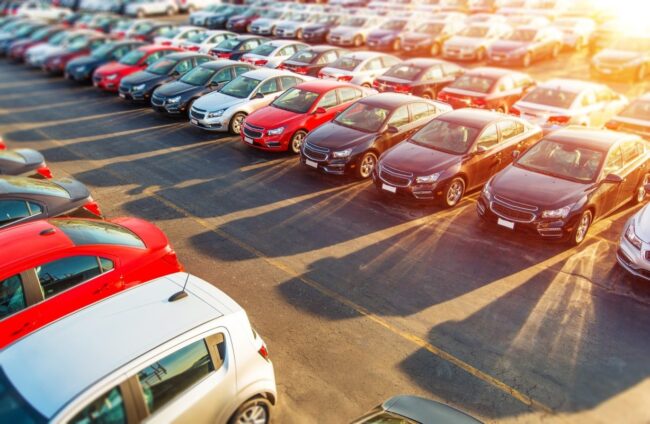
Cars sitting too long on a lot become expensive. Dealers pay financing costs, insurance costs, maintenance expenses, and depreciation risk while inventory remains unsold.
Large dealerships usually move inventory faster, which changes the economics completely.
A smaller dealership may need to hold firm on price because every vehicle represents a larger percentage of monthly revenue.
High volume stores can take a different approach. Selling quickly keeps inventory rotating and cash flowing.
Did you know?
Research on dealership inventory dynamics found that transaction prices often decrease when inventory levels rise. Dealers become more motivated to move stock quickly rather than let vehicles remain parked for extended periods.
That is why buyers sometimes find surprisingly competitive deals at very busy dealerships with huge inventories.
After all, a dealer making a smaller margin on 300 vehicles can still outperform a dealer making bigger margins on 20.
Large Dealer Groups Often Get Better Financing Terms

Another factor buyers rarely think about is financing access behind the scenes. Large dealership groups typically secure better lending terms because lenders see them as lower risk and higher volume businesses.
That affects pricing more than most shoppers realize.
Retail floor planning allows dealerships to finance inventory using revolving credit lines. High volume dealers often negotiate better rates and more favorable structures because they move inventory consistently.
Smaller dealerships may face:
- Higher borrowing costs
- Tighter lending conditions
- More pressure on slow selling inventory
- Less flexibility during market slowdowns
Meanwhile, bigger dealerships can absorb market swings more comfortably. Some dealer groups even receive direct manufacturer financing support that reduces carrying costs per vehicle.
That operational breathing room often translates into lower advertised prices for customers.
Marketing Scale Changes Buyer Traffic
There is another piece people overlook completely, visibility.
Large dealerships spend heavily on advertising across search engines, television, social media, and car marketplaces. Bigger traffic numbers create more opportunities to close deals quickly.
Instead of relying on high profits from a few buyers, they rely on steady customer flow.
A dealership with strong monthly traffic can afford to advertise lower pricing because they expect higher conversion volume. Smaller lots may not have enough incoming leads to support that strategy.
In practical terms, that creates a different sales mindset:
- Smaller lots may negotiate cautiously
- Large dealerships may prioritize speed and volume
- Big stores often use pricing aggressively to attract attention
- Inventory movement becomes more important than maximizing every deal
Some of the largest dealer groups also benefit from centralized operations, shared service departments, and bulk purchasing advantages that lower operational costs overall.
Competitive Markets Push Large Dealers Even Further
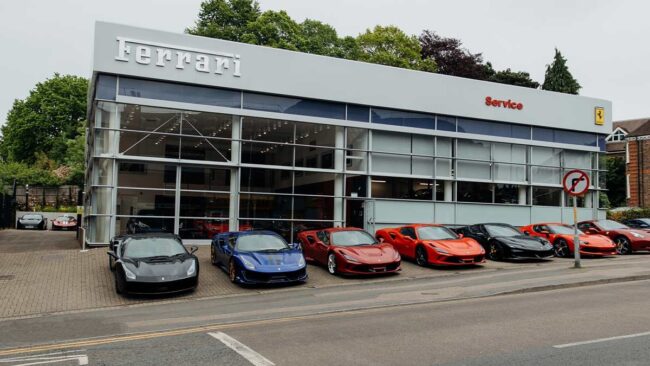
Large dealerships are usually located in highly competitive urban or suburban markets. That matters because competition naturally pressures pricing downward.
A dealer surrounded by multiple competitors cannot afford unrealistic pricing for long.
Interestingly, industry analysis from recent years showed that rising inventories and affordability concerns pushed dealerships toward heavier discounting and more aggressive promotions.
Smaller rural lots sometimes face less direct competition, which can actually reduce pricing pressure.
Here is where buyers should pay attention, though. Lower sticker prices do not always mean the best overall value. Fees, financing rates, warranties, trade-in offers, and add-ons still matter.
A low advertised number only tells part of the story.
A practical tip before signing
When comparing dealerships, always evaluate:
- Final out the door price
- Financing terms
- Trade in value
- Warranty coverage
- Included servicing or extras
A slightly higher price at one dealership may still produce a better total deal depending on financing and extras included.
Final Thoughts
High volume dealerships usually operate with advantages smaller lots simply cannot match. Faster inventory turnover, stronger manufacturer relationships, better financing terms, and larger customer flow all contribute to more competitive pricing.
That does not mean every large dealership automatically offers the best deal. Some smaller lots provide outstanding service and fair pricing.
Still, when buyers notice major dealerships advertising aggressive discounts, there is usually a business reason behind it rather than a marketing gimmick.
Scale changes the math. Once a dealership sells enough vehicles consistently, lower pricing becomes easier to sustain while still remaining profitable.